Ever sent an important document via email and wondered, “Is this really safe?” You’re not alone. In today’s digital world, secure document transfer isn’t just a tech buzzword — it’s the backbone of building and keeping customer trust. Think about it: when you hand over sensitive information—whether it’s contracts, personal data, or financial files—you want to be sure it doesn’t get intercepted or misused. This is exactly why businesses must prioritize secure document transfer. Without it, trust crumbles faster than a poorly baked cookie.
What Is Secure Document Transfer?
Before diving deeper, it’s important to understand what secure document transfer really means. At its core, secure document transfer refers to the process of sending files or data over a network in a way that protects them from unauthorized access, interception, or alteration. Imagine sending a letter: rather than dropping an open envelope in a mailbox where anyone can peek inside, secure document transfer is like using a tamper-proof, sealed package sent through a trusted courier. This ensures that only the intended recipient can open and read the contents.
To achieve this level of security, several crucial elements come into play. One of the most essential is encryption, which converts the original document into a coded format that cannot be understood unless it is decrypted by someone with the correct key. This prevents hackers or unauthorized parties from reading the document even if they manage to intercept it. Alongside encryption, authentication methods are used to verify that both the sender and receiver are who they claim to be, adding an extra layer of protection against impersonation or fraud.
Access controls also play a vital role in secure document transfer. These controls determine who can open, edit, or share the document, restricting permissions to only trusted individuals. This helps prevent accidental or malicious misuse of sensitive information. Furthermore, many secure transfer systems maintain audit trails, which log every action related to the document, including who accessed it and when. These records not only provide transparency but also enable organizations to monitor for suspicious activity or breaches.
Finally, the choice of transfer protocols significantly impacts the security of document sharing. Secure protocols such as HTTPS (Hypertext Transfer Protocol Secure) or SFTP (Secure File Transfer Protocol) ensure that data travels through encrypted channels rather than open networks vulnerable to interception. Combining these technologies and practices creates a robust system that protects sensitive documents during transfer, fostering trust between senders and recipients in today’s interconnected digital environment.
The Connection Between Secure Document Transfer and Customer Trust
Security plays a crucial role in shaping how customers perceive and trust a company. When customers share sensitive information—whether it’s medical records, financial details, or legal documents—they expect that their data will be handled with the utmost care. If a business relies on outdated or insecure methods for transferring these documents, customers are likely to feel uneasy, questioning whether their private information might be exposed or misused. In this way, secure document transfer acts as a digital handshake, signaling respect for privacy and a genuine commitment to data protection.
- Data breaches destroy trust instantly: Even a single security incident involving leaked or stolen information can cause customers to lose faith in a company overnight. The ripple effects can include negative publicity, loss of business, and difficulty regaining reputation.
- Transparency about security practices reassures customers: When companies openly communicate how they protect documents—such as explaining encryption methods or access controls—customers feel more confident. Transparency removes uncertainty and builds a foundation of trust.
- Compliance with regulations demonstrates seriousness: Adhering to strict data protection laws like GDPR in Europe or HIPAA in healthcare shows customers that a business takes security seriously and follows established standards. This adds a layer of credibility that can differentiate a company from competitors.
- Secure transfers reduce fear of identity theft and fraud: Customers know that sensitive documents often contain personal details that criminals can exploit. By ensuring secure transmission, companies alleviate these fears and reinforce a safe relationship.
- Consistent security practices foster reliability: When customers see that a company consistently applies strong security measures, they perceive the business as dependable and professional, making them more likely to stay loyal.
- Breach response and recovery plans enhance trust: If a company has clear, effective protocols for responding to potential breaches, customers feel reassured that any issues will be handled promptly and responsibly.
- Secure document transfer supports brand integrity: Protecting customer data reflects a company’s overall integrity and respect for its clientele, reinforcing positive brand associations.
- Customer empowerment through secure tools: Offering clients easy-to-use, secure platforms for document exchange gives them control and peace of mind, further strengthening trust.
- Secure transfer prevents unauthorized access: By limiting document access strictly to authorized individuals, companies minimize risks of internal or external data misuse.
- Building long-term customer relationships: Security is not a one-time effort but an ongoing commitment. Demonstrating that dedication encourages lasting relationships based on mutual trust.
How Insecure Document Transfer Breaks Trust
| Risk | Description | Impact on Customer Trust | Potential Business Consequences | Examples |
| Data Interception | When documents are intercepted during transfer by unauthorized parties, exposing sensitive info. | Customers feel vulnerable, unsafe, and lose confidence. | Loss of customers, negative reviews, damaged reputation. | Hackers intercepting unencrypted emails containing contracts. |
| Unauthorized Access | Access granted to individuals without proper permission, leading to data misuse or leaks. | Customers fear identity theft, fraud, and privacy breaches. | Legal liability, fines, and trust erosion. | Insider leaks or stolen login credentials used by hackers. |
| Document Tampering | Alteration or manipulation of documents during transit without authorization. | Loss of credibility and integrity for both company and data. | Questioned authenticity, contract disputes, client withdrawal. | Altered legal agreements or tampered financial reports. |
| Delayed or Failed Delivery | Failure to deliver documents on time or at all, disrupting processes and communication. | Customer frustration, doubt about company professionalism. | Missed deadlines, lost business opportunities. | Important contracts delayed causing project halts. |
| Non-Compliance Fines | Penalties resulting from failure to meet data protection regulations and standards. | Questions about company ethics, responsibility, and reliability. | Heavy fines, legal actions, and long-term reputation damage. | GDPR fines due to improper handling of personal data. |
Ways to Ensure Secure Document Transfer
Ensuring secure document transfer may sound daunting, but it boils down to adopting a few essential best practices that work together seamlessly. First and foremost, encryption plays a critical role. Before sending any file, encrypting it transforms the data into a coded format that only authorized recipients can decode. Think of encryption as locking your documents inside a high-tech vault — even if someone intercepts the files, they won’t be able to understand or misuse the contents. Using strong encryption standards like AES-256 provides a robust level of protection trusted by security experts worldwide.
Another crucial step is authenticating every user involved in the transfer process. Relying solely on a username and password is no longer enough in today’s security landscape. Multi-factor authentication (MFA) adds a necessary extra layer by requiring users to provide additional verification, such as a text message code or biometric confirmation. This method ensures that only authorized individuals gain access to sensitive documents, significantly reducing the risk of unauthorized entry due to stolen or weak credentials.
Choosing the right transfer protocols also makes a huge difference in securing documents. Traditional methods like plain FTP or email attachments leave files exposed to potential threats during transmission. Instead, using secure protocols such as HTTPS, SFTP, or dedicated secure file-sharing platforms helps safeguard data by encrypting the communication channel itself. This way, documents remain protected while traveling across networks, preventing interception or tampering by cybercriminals.
Lastly, implementing strict access controls and maintaining audit logs completes the security framework. Access controls limit who can view, edit, or download files, essentially giving out “keys” only to trusted parties. This reduces the chance of accidental leaks or internal misuse. Meanwhile, audit logs keep detailed records of every action taken on a document, including who accessed or modified it and when. These logs provide transparency and enable early detection of suspicious activities, helping organizations respond promptly to potential security incidents and maintain customer trust.
Technologies Behind Secure Document Transfer
Here’s a detailed list of some of the key technologies businesses rely on to ensure secure document transfer and build customer trust:
- End-to-End Encryption (E2EE): This technology encrypts data from the moment it leaves the sender until it reaches the receiver, ensuring that no third party can access or read the content during transit. It provides absolute confidentiality, making sure sensitive information stays private and protected against interception.
- Virtual Private Networks (VPNs): VPNs create secure, encrypted tunnels over the public internet, allowing data to travel safely between devices. By masking the data’s path and encrypting communications, VPNs prevent unauthorized interception and eavesdropping, which helps maintain the integrity and privacy of transferred documents.
- Secure File Transfer Protocol (SFTP): SFTP is a network protocol that transfers files over encrypted connections. Unlike standard FTP, which sends data in plain text, SFTP ensures that files are protected against data leakage or interception during transfer, significantly reducing security risks.
- Blockchain Verification: This technology uses a decentralized ledger to verify the integrity of documents. By recording each transaction or change on a secure, distributed database, blockchain guarantees that documents are authentic and have not been tampered with. This verification method strengthens trust by providing transparency and traceability.
- Digital Signatures: Digital signatures certify the sender’s identity and the authenticity of a document. They serve as electronic “fingerprints” that confirm a file has not been altered since it was signed. This builds legal trust and accountability, especially in industries where compliance and non-repudiation are critical.
- Transport Layer Security (TLS): TLS is a cryptographic protocol that ensures secure communication over a network. It encrypts the connection between web browsers and servers, making HTTPS possible. By using TLS, businesses protect documents as they move across the internet, reassuring customers that their data won’t be exposed to attackers.
- Multi-Factor Authentication (MFA): While not a transfer technology per se, MFA enhances security by requiring multiple forms of verification before granting access to documents. This reduces the risk of unauthorized access even if login credentials are compromised, thus protecting sensitive transfers.
- Secure Cloud Storage Services: Many organizations use cloud platforms that offer built-in encryption and strict access controls for storing and sharing documents. These services combine ease of use with robust security, enabling safe collaboration while maintaining data privacy.
Customer Psychology: Why Security Feels Like Trust
| Aspect | Description | Emotional Impact on Customers | Business Implications | Examples |
| Competence | Demonstrating the ability to handle documents securely and effectively without errors or breaches. | Customers feel confident and assured in your skills. | Builds professional reputation and reduces customer anxiety. | Using robust encryption and reliable transfer protocols. |
| Reliability | Consistently protecting customer data over time without failures, leaks, or vulnerabilities. | Customers develop a sense of security and dependability. | Fosters long-term loyalty and repeat business. | Maintaining regular security audits and updates. |
| Integrity | Being transparent and honest about how data is protected and what measures are in place. | Customers trust the brand’s honesty and commitment. | Enhances brand credibility and strengthens relationships. | Publishing clear privacy policies and security practices. |
| Emotional Trust | The feeling customers get when they believe their sensitive information is genuinely safe. | Customers relax and engage more deeply with the business. | Leads to increased engagement, referrals, and positive reviews. | Providing secure document transfer and timely security updates. |
| Security as Comfort | Security acts like a comforting, protective blanket amid growing cyber threats and uncertainties. | Customers experience peace of mind and reduced worry. | Encourages customers to share sensitive data willingly. | Offering multi-factor authentication and encrypted file sharing. |
Industry Examples: Who Got It Right?
When it comes to secure document transfer, some industries have truly set the standard by adopting strong security measures that build and maintain customer trust. Take the financial sector, for instance. Banks have historically been cautious with sensitive information, but today they have taken this caution to a whole new level. They use encrypted portals and secure mobile apps that allow customers to access statements, contracts, and other important documents safely. These technologies not only protect data during transmission but also provide customers with peace of mind, reinforcing loyalty and confidence in their financial institutions.
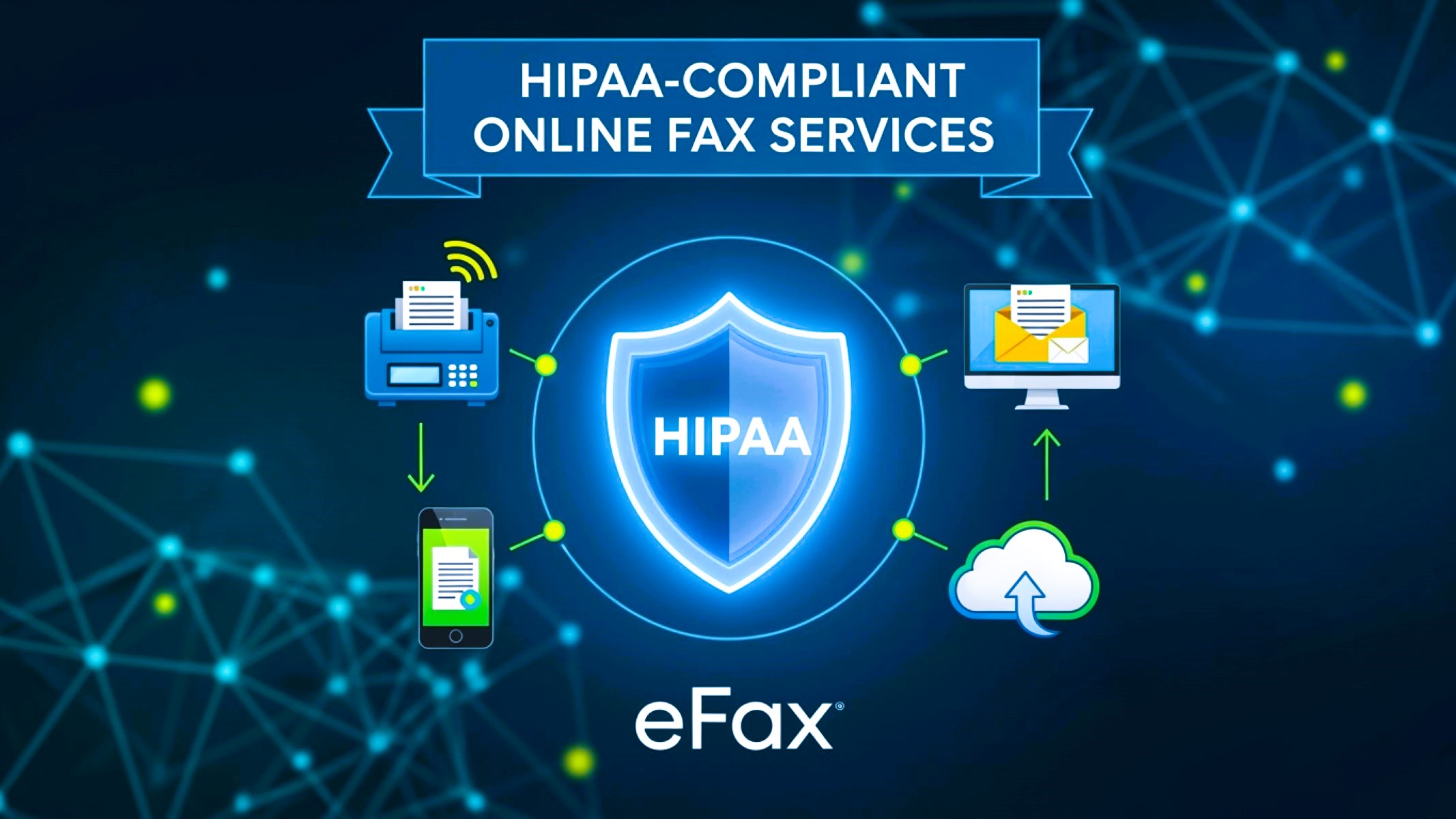
Healthcare providers are another excellent example. Bound by strict regulations like HIPAA, hospitals and clinics must protect patient records with the highest level of security. They rely heavily on encrypted communication channels to share medical information, ensuring that sensitive health data is kept confidential at all times. Patients, in turn, feel reassured that their private health details are safe, which helps strengthen the trust between them and their doctors. This secure handling of medical records contributes directly to better healthcare experiences and outcomes.
Legal firms also understand the critical importance of secure document transfer. Lawyers frequently exchange confidential contracts and legal documents with clients and opposing parties. By using secure file-sharing platforms paired with digital signatures, legal professionals not only protect the integrity of these documents but also provide verifiable proof of authenticity. This combination reduces risks such as tampering or fraud and bolsters client confidence in the firm’s professionalism and ethical standards.
Overall, these industry examples illustrate how prioritizing secure document transfer can translate into stronger relationships with customers and clients. By adopting advanced security technologies and following best practices, these sectors demonstrate that safeguarding sensitive information is key to maintaining trust, enhancing reputations, and ultimately securing long-term success.