If you work in healthcare, you already know that patient privacy isn’t just a good idea — it’s the law. The Health Insurance Portability and Accountability Act (HIPAA) sets the gold standard for protecting sensitive patient information. But did you realize that something as “old school” as faxing still plays a huge role in healthcare communication — and that it needs to be hipaa compliant fax? In this article, we’ll unpack everything you need to know about hipaa compliant fax solutions tailored for medical offices and clinics. From the basics of HIPAA fax requirements to the latest digital fax technologies, we’ll cover it all. Let’s get into how to keep your patient data safe while keeping your communications smooth and efficient.
What Is HIPAA Compliant Faxing?
HIPAA compliant faxing refers to the process of sending and receiving fax transmissions in a manner that fully adheres to the privacy and security standards outlined by the Health Insurance Portability and Accountability Act (HIPAA). At its core, it ensures that any protected health information (PHI) shared via fax remains confidential, secure, and accessible only to authorized individuals. This is crucial because faxing often involves sensitive patient data, and any breach or accidental exposure could lead to serious legal and financial consequences for healthcare providers. The key to HIPAA compliant faxing lies in controlling the entire faxing workflow—from the moment the document leaves the sender to when it is received and stored—so that the privacy of the patient is never compromised.
Unlike casual faxing, where documents might be sent over unsecured phone lines or left unattended on fax machines, HIPAA compliant faxing employs multiple layers of safeguards. These include encryption technologies to protect data during transmission, strict access controls to ensure only authorized personnel can retrieve faxed information, and audit trails that document every fax transaction. These measures work together to prevent unauthorized interception, accidental misdirection, or improper handling of confidential patient data. Healthcare organizations must also ensure that their faxing processes integrate seamlessly with their broader compliance programs, including workforce training and physical security practices, to reduce the risk of breaches and maintain trust.
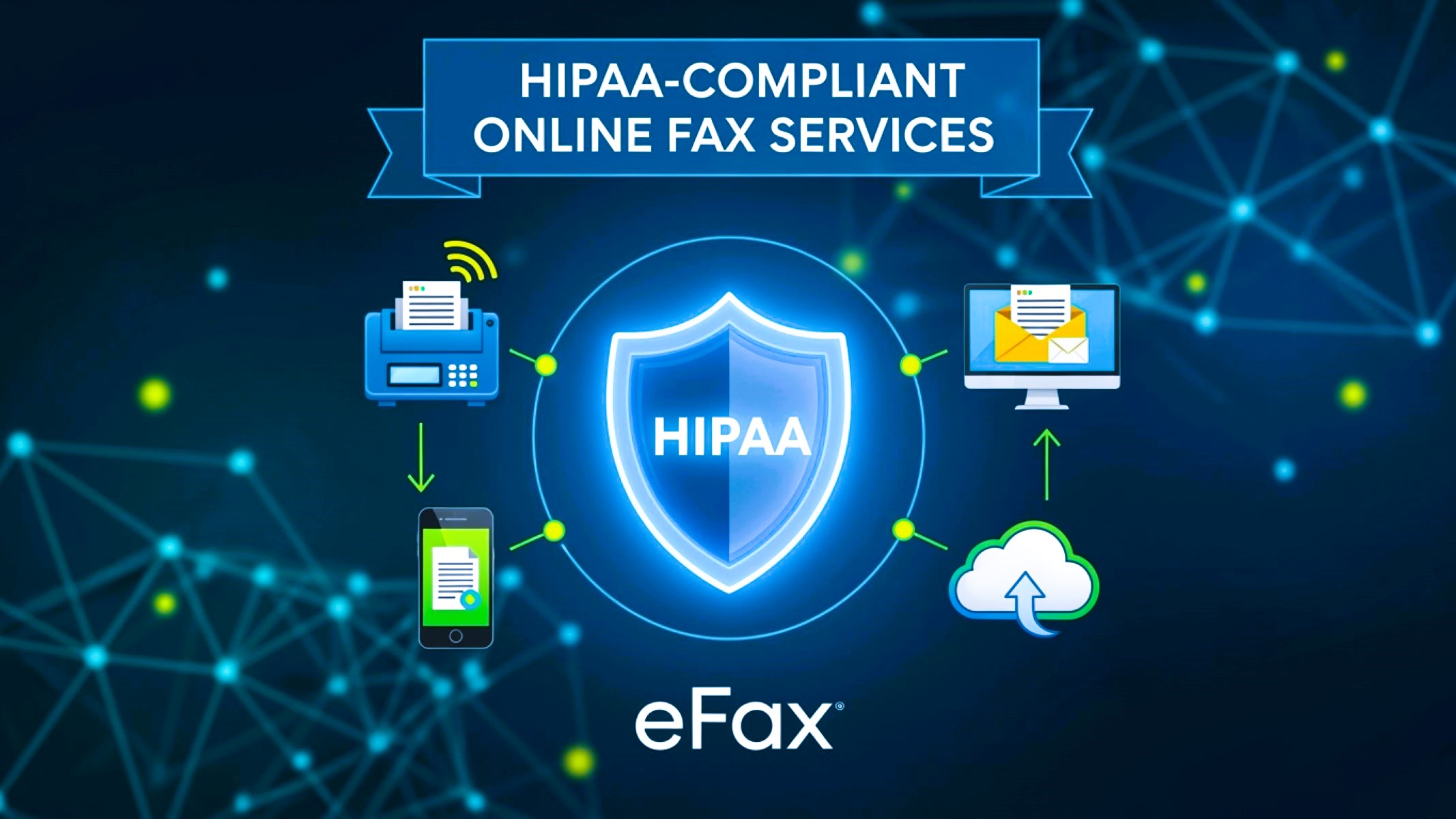
Moreover, HIPAA compliant faxing is not limited to traditional fax machines; it increasingly involves digital and internet-based faxing solutions that meet HIPAA standards. These online fax services encrypt data during transit and storage, require user authentication, and often come with Business Associate Agreements (BAAs) to formally commit to compliance obligations. Digital faxing solutions offer additional benefits such as automated delivery confirmations, integration with electronic health records (EHR), and reduced paper handling, all while maintaining the necessary safeguards for patient privacy. Choosing the right HIPAA compliant fax system requires careful evaluation of these security features along with usability to ensure smooth adoption in busy medical offices and clinics.
In essence, HIPAA compliant faxing is the responsible, regulated approach to exchanging patient information via fax, designed to uphold the highest standards of data privacy and security. It reflects the healthcare industry’s ongoing commitment to protect patients’ rights while leveraging the convenience and reliability of fax communication. As technology evolves, HIPAA compliant faxing continues to adapt, blending traditional communication methods with modern encryption and digital management tools to safeguard PHI every step of the way.
The Role of Fax in Medical Communication
- Fax remains a fundamental communication tool in healthcare despite advances in email, messaging apps, and cloud storage.
- Many doctors, hospitals, laboratories, and insurance companies still rely heavily on faxing to exchange critical patient documents.
- Fax is often regarded as a secure transmission method when implemented with proper safeguards.
- Fax machines and faxing services frequently meet HIPAA compliance standards more straightforwardly than some modern digital communication tools.
- The physical nature of faxing provides a tangible, verifiable audit trail, which is vital for legal and regulatory healthcare requirements.
- Fax communication allows quick transmission of medical records, prescriptions, lab results, and referral documents across different organizations.
- Fax technology integrates with many existing medical office workflows and electronic health record (EHR) systems.
- Many healthcare providers use fax as a fallback option when secure email or portals are unavailable or incompatible.
- Faxing can reduce risks related to email phishing or hacking if handled carefully.
- It supports the transfer of signed documents, which is often legally required in healthcare transactions.
- Fax machines and services enable real-time or near-instantaneous document delivery, supporting timely patient care decisions.
- Faxing is a well-established technology familiar to staff and patients, minimizing training overhead.
- The continued use of fax in medical communication helps bridge gaps between modern digital systems and legacy technologies in the healthcare ecosystem.
- Faxing supports compliance through encryption, secure access controls, and audit logging when using HIPAA-compliant services.
- Despite new communication tools emerging, fax remains embedded in the complex network of healthcare communication for regulatory, security, and operational reasons.
Understanding HIPAA Requirements for Faxing
| Requirement | Description | Why It Matters | Implementation Examples | Potential Risks if Ignored |
| Data Encryption | Protects faxed information both while it is being sent (in transit) and when stored (at rest). | Prevents unauthorized interception or access to sensitive patient data. | Use TLS or VPN encryption for electronic fax transmissions; encrypt stored fax files. | PHI can be intercepted or stolen during transmission or from storage. |
| Secure Transmission | Ensures faxes are transmitted over secure channels to avoid being received by unintended parties. | Reduces risk of fax landing on wrong device or being intercepted. | Use encrypted internet fax protocols instead of unsecured phone lines; confirm recipient numbers before sending. | Faxes may be sent to wrong recipients, causing data breaches. |
| Access Controls | Restricts access to incoming and outgoing faxes to authorized staff only via authentication. | Protects PHI from unauthorized viewing or misuse. | Implement user logins, passwords, and role-based permissions on fax software or hardware. | Unauthorized personnel may view or tamper with faxed PHI. |
| Audit Trails | Maintains detailed logs recording who sent or received faxes, when, and what content was transmitted. | Enables accountability and supports investigations of potential breaches. | Use fax solutions that automatically create and store audit logs. | Difficult to track breaches or unauthorized access without logs. |
| Physical Safeguards | Controls physical environment where fax machines operate to prevent unauthorized physical access. | Prevents accidental or intentional viewing of printed faxes by outsiders. | Place fax machines in locked rooms or restricted areas; limit physical access. | Sensitive faxes left unattended can be seen or stolen by unauthorized people. |
Common Faxing Risks for Medical Offices
Faxing in medical offices is a crucial communication method, but it comes with its own set of risks, even when HIPAA guidelines are followed. One of the most significant dangers is sending a fax to the wrong recipient. This type of error can lead to a serious breach of protected health information (PHI), exposing sensitive patient data to unauthorized individuals. Such breaches not only violate patient privacy but can also result in hefty legal fines and damage the reputation of the healthcare provider. Simple mistakes like a mistyped fax number or an outdated contact list are common causes of these incidents. Therefore, double-checking fax numbers and using delivery confirmation systems are essential to reduce this risk.
Another frequent risk involves unsecured fax machine output. In many medical offices, fax machines are placed in shared or public areas, which can allow unauthorized personnel to see printed patient information left unattended. This physical exposure compromises confidentiality and breaches HIPAA’s privacy requirements. To mitigate this, fax machines must be located in locked rooms or secure areas where only authorized staff have access. Additionally, policies should be in place to ensure that faxed documents are promptly collected and properly stored or disposed of if no longer needed.
Fax transmissions over internet protocols (IP faxing) that lack proper encryption present another vulnerability. Without encryption, data sent digitally can be intercepted by hackers or malicious actors during transmission. This compromises the confidentiality of sensitive health information and puts patients at risk. To address this, healthcare providers must use encrypted fax services that utilize protocols such as TLS (Transport Layer Security) or VPNs (Virtual Private Networks). These technologies protect data in transit by making it unreadable to anyone who might intercept the communication.
Finally, the absence of audit trails and manual handling errors further increase the risk of faxing-related problems. Without detailed logs, it becomes difficult to investigate potential breaches or hold responsible parties accountable. Manual errors, such as misfiling or losing faxed documents, also threaten patient data security and disrupt clinical workflows. Implementing fax solutions with automated audit trails and digital faxing systems helps track every transmission and reduces human error. Automation improves accuracy, ensures proper routing, and safeguards PHI throughout the entire faxing process, thereby enhancing overall compliance and security.
Types of HIPAA Compliant Fax Solutions
- Traditional fax machines with enhanced physical security measures remain a valid HIPAA compliant option when placed in secure, restricted areas and used with careful protocols to prevent unauthorized access to printed documents.
- Online fax services (also known as eFax or internet faxing) provide HIPAA compliant faxing by encrypting data during transmission and storage, requiring user authentication, and offering audit trails for all fax activities. These services often sign Business Associate Agreements (BAAs) to meet HIPAA rules.
- Fax server solutions allow larger medical facilities to centrally manage fax transmissions within their secure internal networks. These servers provide encrypted communication, user access controls, and direct integration with electronic health record (EHR) systems to streamline secure fax workflows.
- Multifunction printers (MFPs) with integrated fax capabilities and built-in security features, such as user authentication and encrypted fax transmission, offer HIPAA compliant faxing combined with printing and scanning in one device, ideal for clinics requiring multifunctional equipment.
- Cloud-based fax platforms designed specifically for healthcare often include additional compliance features like automatic number verification to prevent misdirected faxes, real-time delivery status notifications, and secure storage with strict access controls.
- Virtual fax solutions that allow faxing directly from computers or mobile devices using secure applications minimize physical handling of paper and reduce the risk of unauthorized access while maintaining full HIPAA compliance.
Traditional Fax Machines With Physical Safeguards
| Aspect | Description | Benefits | Challenges | Best Practices |
| Physical Location | Fax machines placed in locked or restricted rooms to prevent unauthorized access. | Protects printed PHI from being seen by unauthorized persons. | Requires dedicated secure space, which may be limited. | Use locked rooms or cabinets; limit access to authorized staff only. |
| Access Control | Controlling who can retrieve faxed documents from the machine. | Ensures only authorized personnel handle sensitive information. | Risk of accidental or intentional unauthorized access if not enforced. | Train staff on access policies; assign responsibility clearly. |
| Transmission Method | Uses traditional phone lines for sending and receiving faxes. | Phone lines are less vulnerable to hacking compared to internet-based transmission. | No encryption by default, so physical interception possible. | Regularly verify recipient fax numbers before sending. |
| Training and Procedures | Staff must be trained to verify fax numbers and follow HIPAA protocols. | Reduces risk of misdirected faxes and improves compliance. | Human error can still lead to breaches without ongoing training. | Provide regular training and refresher sessions for all fax users. |
| Risk Management | Potential risks include misplaced faxes and unauthorized viewing. | Low technology cost and familiar workflow. | High risk if safeguards are not strictly followed. | Implement auditing and monitoring of fax usage; consider combining with digital fax options. |
Online Fax Services (eFax) With HIPAA Compliance
Online fax services, often called eFax, have become increasingly popular in the healthcare industry because they combine the convenience of digital communication with the stringent security requirements mandated by HIPAA. Unlike traditional fax machines that rely on physical phone lines and paper, eFax allows medical offices and clinics to send and receive faxes electronically through secure internet connections. This modern approach reduces the reliance on bulky hardware and streamlines document management by converting fax transmissions into digital files that can be accessed directly via email or web portals. The ease of use and flexibility offered by eFax services make them an attractive option for busy healthcare professionals who need to communicate quickly and securely.
One of the biggest advantages of HIPAA compliant eFax services is their ability to encrypt data both in transit and at rest. This means that patient information sent through these platforms is protected from interception or unauthorized access while being transmitted over the internet and when stored on secure servers. These services typically use strong encryption protocols such as Transport Layer Security (TLS) to safeguard fax transmissions. Furthermore, access to faxed documents requires user authentication, ensuring that only authorized personnel can view sensitive health information. The combination of encryption and access controls helps healthcare providers maintain compliance with HIPAA’s rigorous privacy standards.
In addition to encryption and secure access, many eFax providers offer comprehensive audit trails, which are essential for HIPAA compliance. These logs record detailed information about every fax sent and received, including timestamps, sender and recipient details, and confirmation of successful transmission. This level of tracking helps medical offices monitor their fax communications closely, quickly identify any potential security issues, and provide documentation if a compliance audit occurs. Audit trails also add an extra layer of accountability by ensuring that every fax interaction can be traced back to a responsible individual within the organization.